
How to find your ring, chain and bangle size at home
US and EU ring sizes, chain lengths in inches and bangle diameters, explained simply, with three reliable ways to measure at home and the mistakes to avoid.
Maison Shifora · · 3 min read
A perfect fit is half the pleasure of a fine jewel. A ring that spins, a chain that sits a little too high, a bangle that will not pass your knuckles: all are easily avoided with a few minutes and a ruler. Here is how we recommend measuring at home, whichever country you are ordering from.
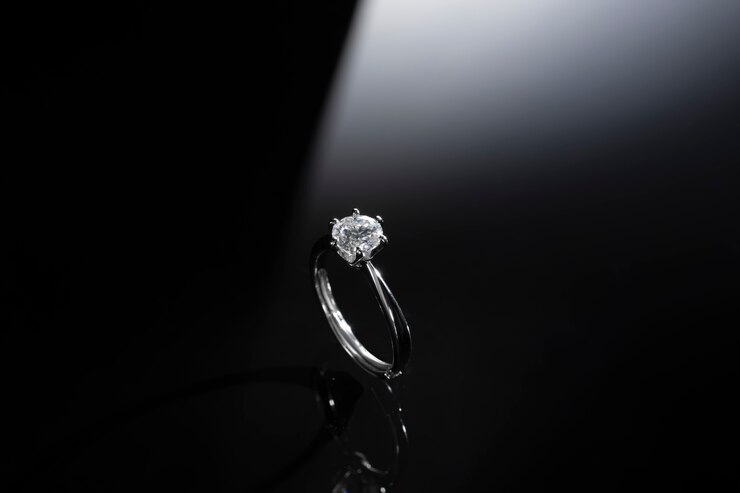
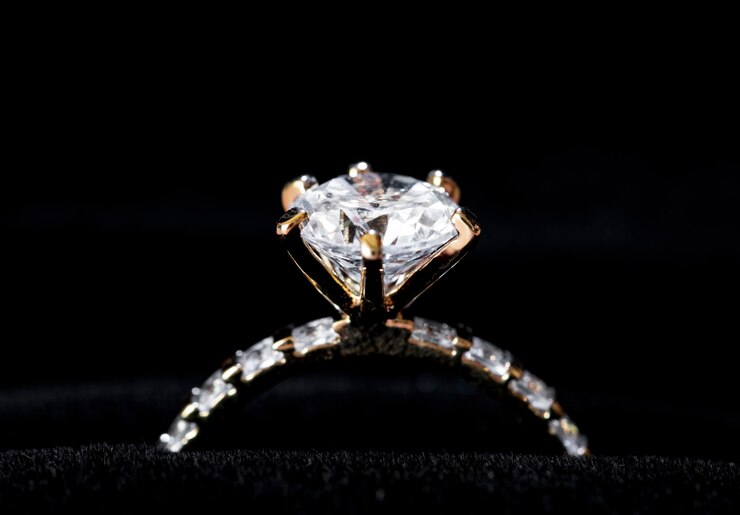
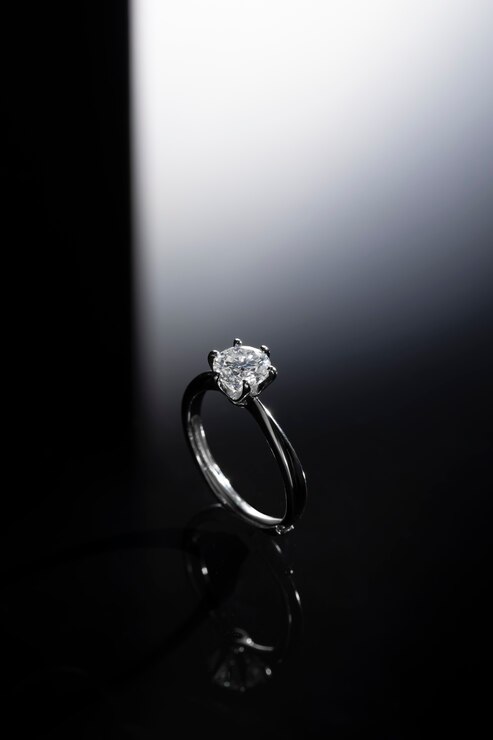
Ring sizes: US and EU
Ring sizes are written differently around the world. On Shifora we use two systems:
- US sizes (4, 5, 6, 7 and so on, with half sizes in between). Each whole size adds about 0.81 mm to the inside diameter of the ring. A US 6 has an inside diameter of roughly 16.5 mm; a US 7, roughly 17.3 mm.
- EU sizes are simply the inside circumference of the ring in millimetres. An EU 52 measures 52 mm around the inside.
Our size guide on every ring page converts between the two.
Three ways to measure a ring size
1. Measure a ring you already wear
This is the most reliable method. Choose a ring that fits the finger you are buying for, and measure the inside diameter across its widest point with a ruler marked in millimetres. Compare it with the chart in our size guide. If you fall between two sizes, choose the larger.
2. The paper strip method
Cut a thin strip of paper about 1 cm wide. Wrap it snugly around the base of your finger, mark where it overlaps, and measure the length in millimetres. That number is your EU size. Make sure the strip can still slide over your knuckle; a ring has to pass the knuckle to sit at the base.
3. Visit a local jeweller
Any jeweller can measure your finger with a set of sizing rings in a minute. Ask for your US size and you can order with confidence.
Tips for an accurate ring size
- Measure at the end of the day, when fingers are at their largest, and avoid measuring when you are very cold.
- Wide bands fit tighter. For bands wider than about 5 mm, consider going up a quarter or half size.
- Knuckles matter. If your knuckle is much larger than the base of your finger, size for the knuckle so the ring can be put on and taken off.
- Surprise proposal? Borrow a ring from the right hand only if you are sure; fingers on the dominant hand are often slightly larger.
Chain lengths
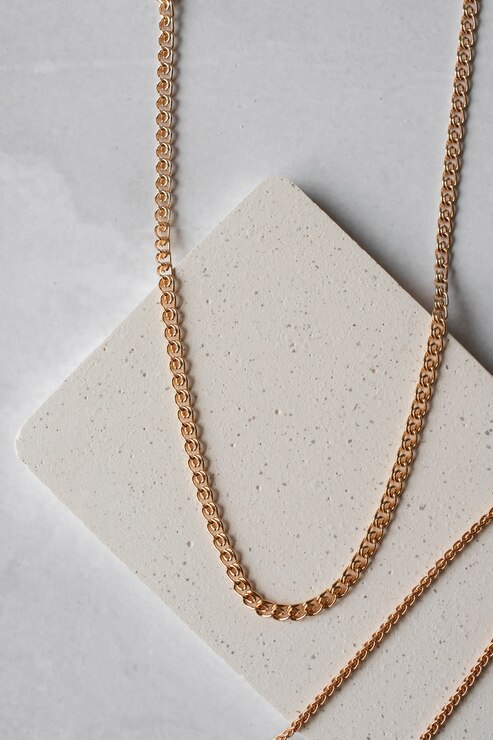
Chains are measured end to end, clasp included, in inches. As a guide, on an average frame:
- 16 in sits at the base of the neck, like a collar
- 18 in falls at the collarbone, the most popular length for pendants
- 20 in sits just below the collarbone
- 22 in and longer falls toward the neckline of a shirt or dress
The easiest way to choose is to lay a piece of string around your neck, mark where you would like it to fall, and measure it.
Bangle sizes
A bangle has no clasp, so it must slide over the widest part of your hand. Bangle sizes are given by inside diameter. Bring your thumb and little finger together as if putting on a bangle, then measure across the widest part of your hand, around the knuckles. Choose a bangle whose inside circumference is a little larger than that measurement. Indian sizes such as 2.4, 2.6 and 2.8 refer to the inside diameter in inches.
Why size changes the price
On Shifora, every size you can choose has its own net weight. A larger ring or a longer chain uses more metal, so its weight and price are a little higher. When you pick a size on the product page, you see the exact weight before you order, with nothing estimated later.
Still unsure?
Write to us at info@shifora.in with a photo of a ring you wear beside a ruler and we will help you read it. For most ring designs, we can also advise on resizing after delivery.