
Platinum or white gold? An honest comparison
Both are bright, cool and beautiful beside diamonds. They differ in weight, wear, maintenance and price. Here is what really separates platinum from 18KT white gold.
Maison Shifora · · 3 min read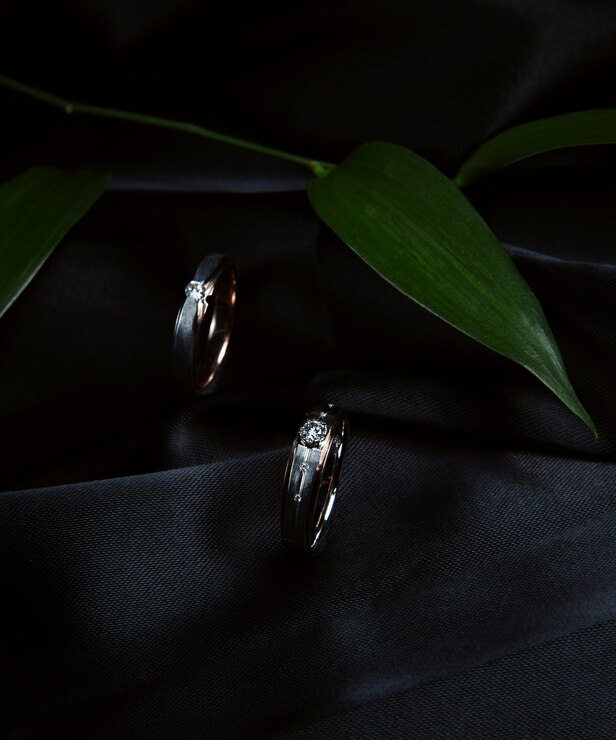
Side by side on a velvet tray, a platinum ring and an 18KT white gold ring can look almost identical. Yet they are very different metals, and the right choice depends on how you live with your jewellery. Here is how they compare, honestly.
What each metal is
Platinum 950 is 95% pure platinum. It is naturally white, so what you see is the metal itself. It does not need a coating to look bright.
18KT white gold is 75% gold, alloyed with white metals that cool its natural yellow. Its final bright-white finish usually comes from rhodium plating, a thin layer of a platinum-family metal applied after polishing.
Weight and feel
Platinum is one of the densest metals used in jewellery. The same ring design in platinum weighs noticeably more than in 18KT white gold. Many clients love that reassuring heft on the hand; others prefer a lighter feel for everyday rings.
On a Shifora product page, switch between the two and watch the net weight change. The design is the same; the metal, and therefore the weight, is not.
How they wear over time
This is the most misunderstood difference.
- Gold wears by losing tiny amounts of metal. Over many years a well-worn band becomes very slightly thinner.
- Platinum wears by moving. Scratches displace the metal rather than removing it, which slowly builds a soft, satin surface called a patina. Some people love it; a polish restores the mirror shine whenever you like.
Both metals, properly made, will hold a diamond securely for a lifetime. Platinum's strength makes it a favourite for claw settings on important stones.
Colour and maintenance
Platinum stays white throughout because it is white throughout. White gold's rhodium plating will soften over time, gradually showing the warmer tone of the gold beneath, especially on the underside of a ring that rubs against other surfaces. Re-plating is a quick, inexpensive job that any good jeweller can do, typically every year or two for a ring worn daily, much less often for earrings and pendants.
Sensitive skin
Platinum 950 is very pure and is generally an excellent choice for sensitive skin. White gold alloys vary; if you have a known sensitivity, tell us before ordering so we can advise on the piece you have in mind.
Price
Two things set the price of each version: the market rate for the metal and how much metal the piece contains. Because platinum is so dense, a platinum ring contains more grams of metal than the same ring in gold. Whether it ends up costing more or less than 18KT white gold depends on the day's market prices for each metal. That is why we never quote a fixed "platinum premium". On every product page, choose each metal and compare the live prices for yourself, with the full breakup shown.
Matching bands and other jewellery
If you already own a platinum engagement ring, we recommend a platinum wedding band. Metals of different hardness worn side by side wear unevenly over the years, with the softer one losing out. The same logic applies to white gold with white gold.
Our recommendation
- Choose platinum if you value weight, natural whiteness, low maintenance of colour and a metal that is very kind to sensitive skin.
- Choose 18KT white gold if you prefer a lighter ring, want to match existing white gold jewellery, or are happy to refresh the plating every so often.
Both are beautiful. Most Taara and Chandra designs are available in either, so you can see the difference in weight and price before you decide. Questions are always welcome at info@shiforaa.com.
Questions about a piece, a size or a delivery? Write to us at info@shiforaa.com or book a private video appointment with the atelier.